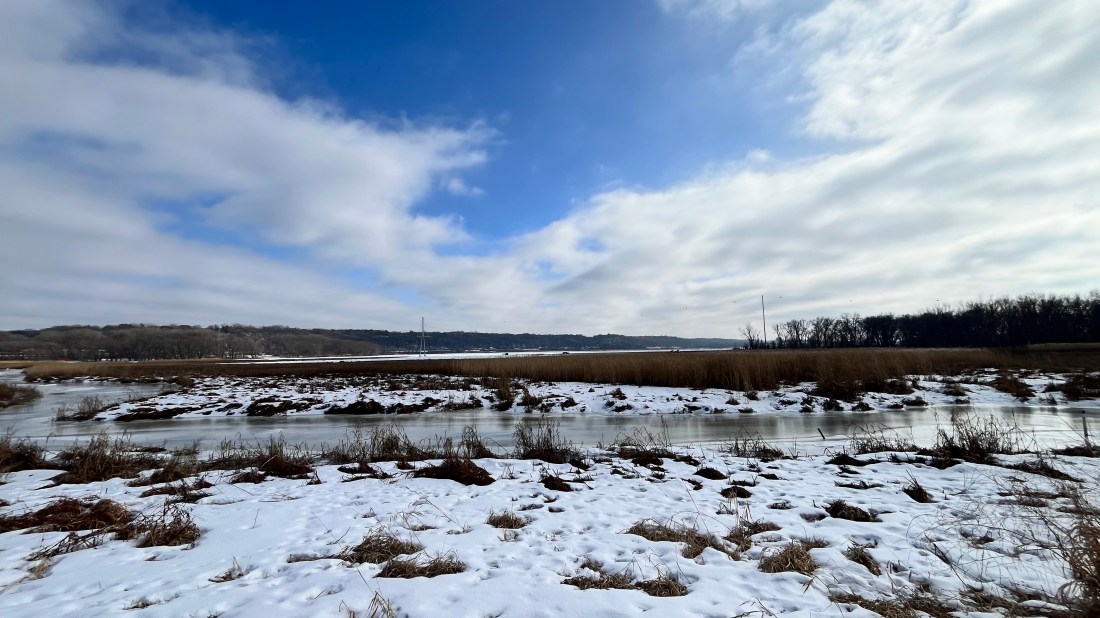
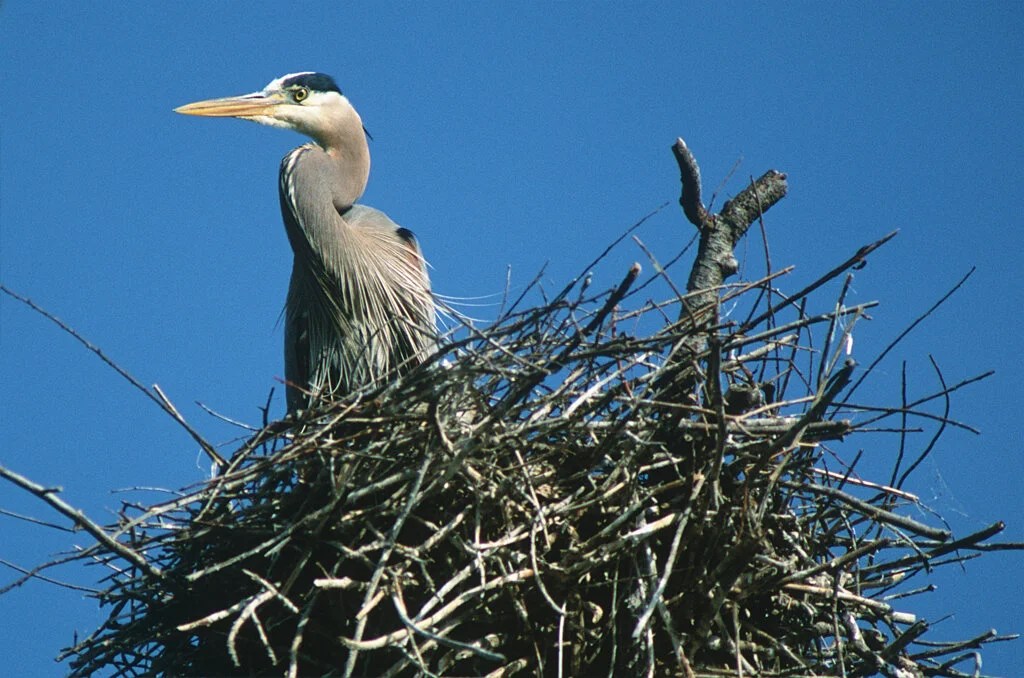
In the quiet moments between the clack and bang of passing trains, the wind pauses and the subtle sound of whirring wings emerges from the woods. A flock of winter robins flits about in the trees, searching for berries and avoiding my gaze. We’ve just emerged from a deep freeze and the sky above is brilliant blue. A bald eagle soars overhead in gentle loops. When summer returns, great blue herons, black-crowned night herons, and egrets will arrive by the hundreds to build nests and patrol the water.
AHHWOOOOOOOO!!!!!
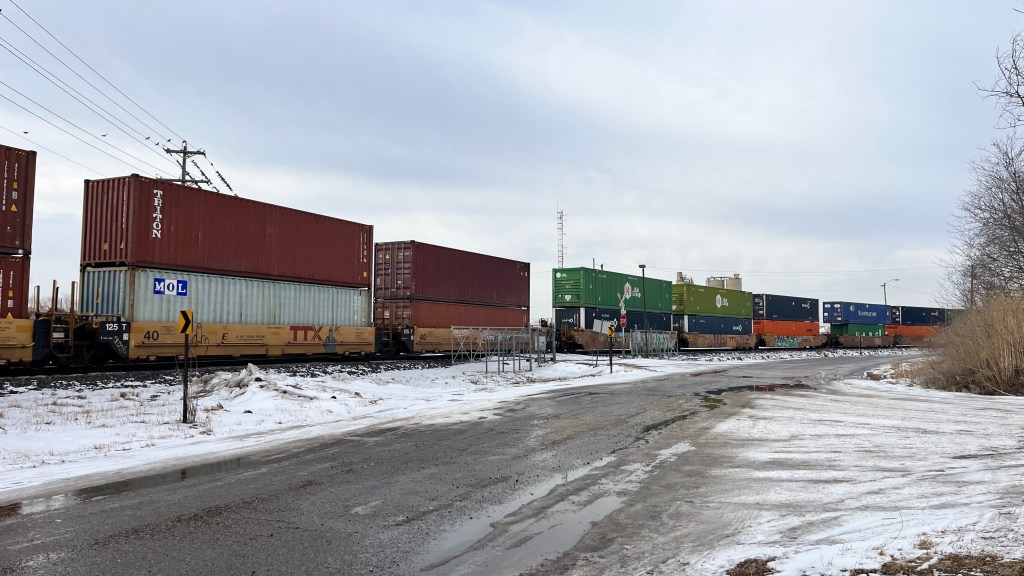
I gasp and instinctively jump backwards, heart-racing, as an ear-splitting siren assaults the air. Is it a factory perhaps? Or maybe an announcement of coming apocalypse? Already the trains have started up again and the distant hum of the wood chipper works its way back into my brain. At Pig’s Eye it is noisy. Always, always noisy.
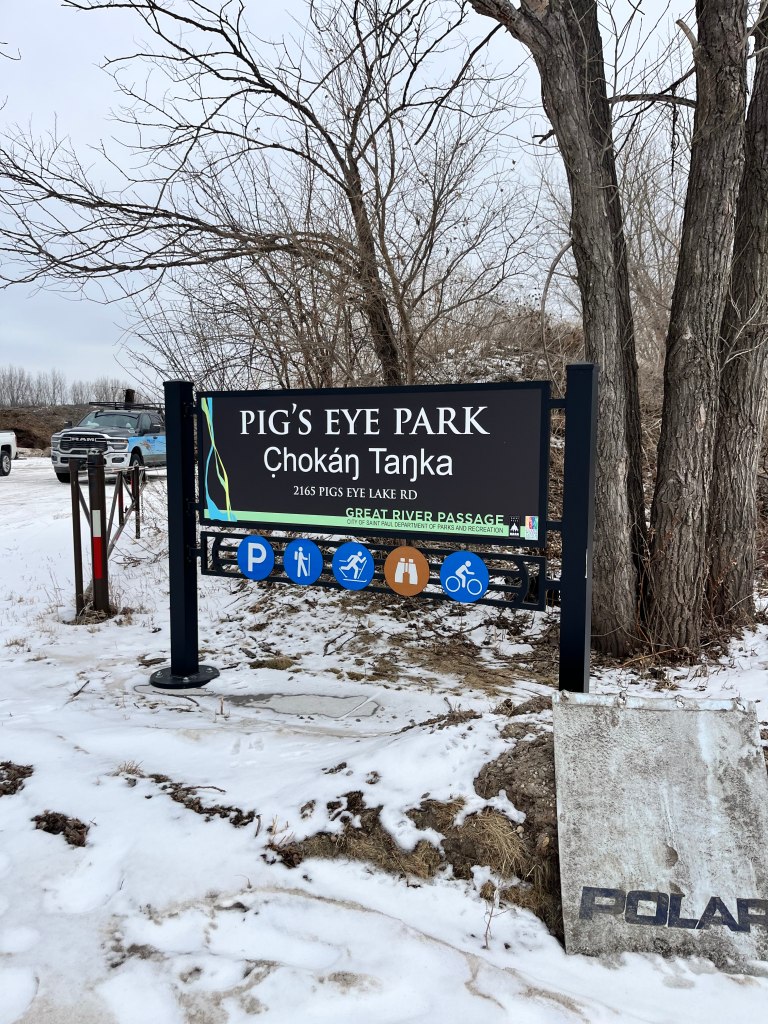
If you look on a map, Pig’s Eye Lake is a 628-acre appendage off the Mississippi River, just southeast of downtown St. Paul. Though its shape is somewhat like the eye of a pig, the lake was actually named for a French-Canadian fur trader and bootlegger named Pierre Parrent who sold whiskey from a cave near the river from 1838 to 1840. Before that, it was known as C̣hokáŋ Taŋka (the “big middle”), a bountiful mecca that also included the Dakota village of Kaposia (now Dayton’s Bluff) and Waḳaƞ Ṭípi at the mouth of Phalen Creek (also known as Bruce Vento Nature Sanctuary).
When biologists surveyed the metro Mississippi River in 1926, it had become highway of pollution, filled with human sewage, garbage, and carcasses from the local slaughterhouses. In a 42-mile stretch of water between Minneapolis and Red Wing, they only found three living fish.
If you visit Pig’s Eye today, you’ll find cause for hope and cause for despair, in almost equal measure.
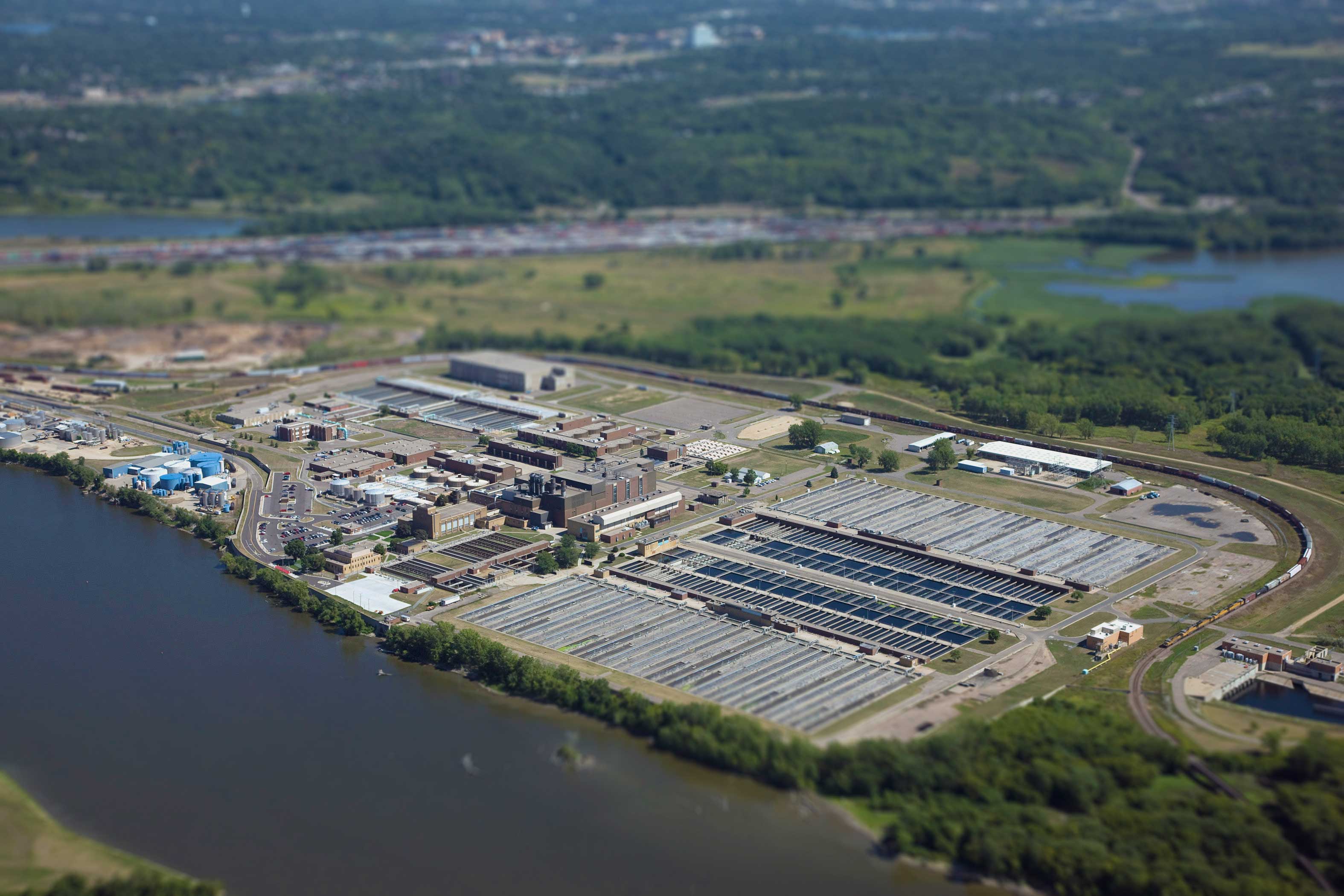
One major positive change for the river has been the advent of wastewater treatment. The Metro Plant, located just west of Pig’s Eye on the Mississippi River, was built in 1938 and is one of the largest wastewater treatment plants in the nation. It treats 180–225 million gallons of sewage from 66 Minnesota cities every day, removing pollutants, solids, and bacteria before discharging the water into the river. In addition, the Federal Clean Water Act of 1972 established water quality standards and regulations for industry. As a result, the metro Mississippi River today is actually cleaner and healthier than it was in 1926.
Even so, Pig’s Eye remains imprisoned between rail lines, busy roads, factories, and shipping terminals. More than 110 freight trains pass through every day. It was also the state’s largest unpermitted dump for more than a decade in the 1950s and 60s. Pig’s Eye was designated as a Superfund site in the 1990s and the PFC levels measured in herons’ eggs there are among the highest levels measured anywhere in the world.
Pig’s Eye is gritty and beautiful, a paradise of nature, and a wasteland of industry – the best and the worst, all wrapped up in one. People who care are working to make it better.
In the early 2000s, volunteers from Boston Scientific removed 15,760 pounds of tires, plastic, and other debris from Pig’s Eye Heron Rookery Scientific and Natural Area, located at the south end of Pig’s Eye Lake. More recently, the U.S. Army Corps of Engineers has been building islands in the lake, using dredged sand and sediment that is removed from the Mississippi River near Pine Bend Island in Inver Grove Heights. A new sign marks the west entrance to the regional park and a friends group leads hikes there every Tuesday and Saturday at 9:30 am.
Throughout 2026, the National Park Service, Met Council, and local partners will also be offering events around the Twin Cities region to honor the Mississippi River’s history, build community, and commit to a healthy river. Visit sacredwatersharedfuture.org to find events near you.
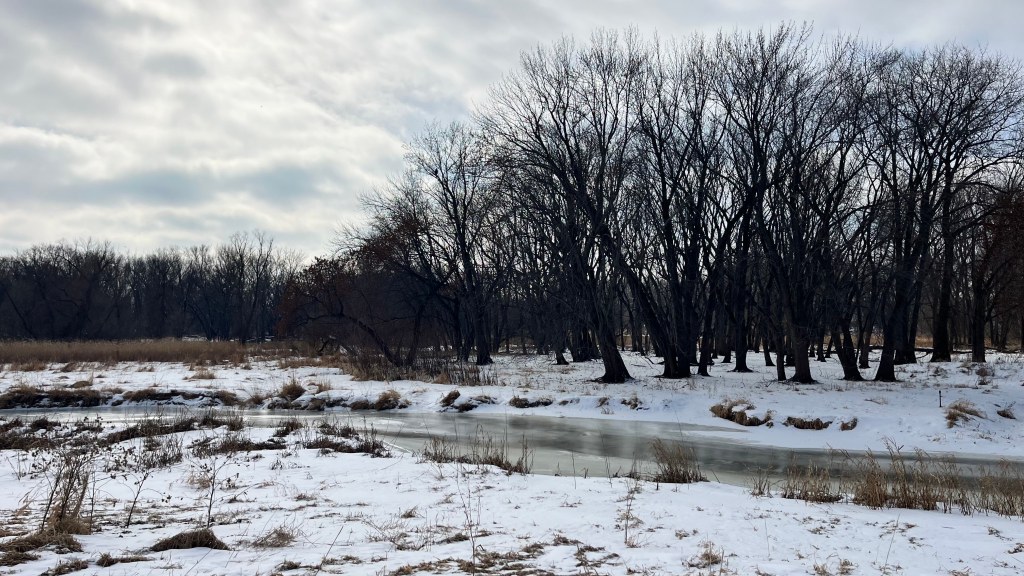
At Pig’s Eye, there is cause for despair. But also, there is hope.


